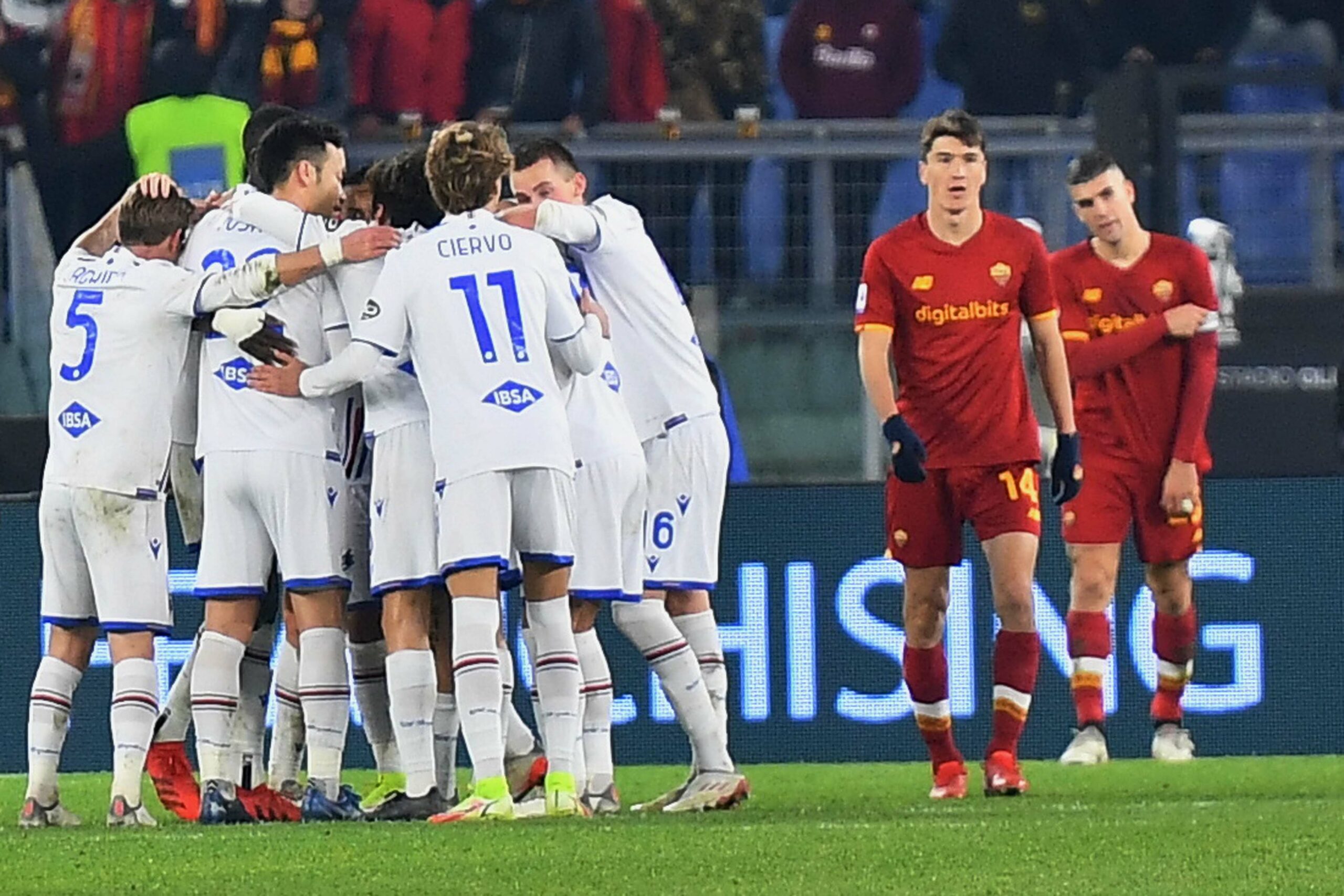
In the high-stakes world of professional football, every training session carries weight, but none more so than the "rifinitura." For Sampdoria, this final, often decisive, session before a major fixture is a symphony of tactical fine-tuning, strategic reinforcement, and last-minute mental preparation. It’s where game plans are solidified, set-piece routines are rehearsed to perfection, and crucial squad decisions are made. The samp rifinitura isn't just another workout; it's the crucible where victory is forged or vulnerabilities are exposed. Let's delve into the intricate layers of this vital training ritual.
The Strategic Significance of Sampdoria's Rifinitura
In Italian football, the term "rifinitura" literally translates to "finishing" or "refinement," and it perfectly encapsulates the purpose of this pre-match training. It's the final polish, the meticulous adjustment before the team steps onto the grand stage. For Sampdoria, whether preparing for a Serie A clash against Inter, a cup tie against Ascoli, or a crucial league fixture like Virtus Entella, the rifinitura serves as the ultimate rehearsal.
Behind Closed Doors: Secrecy and Focus
One of the defining characteristics of a typical samp rifinitura is its closed-door nature. This isn't merely about tradition; it's a strategic choice. Keeping the session private allows coaches and players to work on sensitive tactical elements without the prying eyes of opponents or the external pressures of media and fans. It fosters an environment of intense concentration, allowing for frank discussions, detailed instructions, and the precise execution of secret plays that could turn the tide of a match.
Occasionally, glimpses emerge, like the photo shared by former second goalkeeper Christian Puggioni from the team bus en route to Milan for an Inter match, providing a rare peek into the team's movements. Such moments, however, are exceptions that only underscore the general air of guarded preparation surrounding these sessions. The privacy ensures that every movement, every instruction, and every tactical nuance remains within the team, maximizing the element of surprise.
Coaches' Philosophies in Action
Across different eras and managerial tenures, the importance of the rifinitura remains constant, though its specific focus may shift. Under Marco Giampaolo, known for his methodical approach, the rifinitura would likely emphasize intricate passing patterns and positional play. For Angelo Gregucci and his technical staff, preparing for a match against Virtus Entella, the focus on "esercitazioni tattiche" (tactical drills) and "sviluppo delle palle inattive" (set-piece development) highlights a comprehensive approach to securing three points.
More recently, Dejan Stankovic, facing high-stakes Coppa Italia and league survival battles, utilized the rifinitura to address pressing dilemmas. His sessions were not just about fitness but about resolving "ultimi dubbi" – the final uncertainties regarding team selection and specific player roles, particularly when dealing with injuries and squad rotation. The rifinitura, therefore, becomes a direct reflection of the coach's philosophy and the immediate challenges facing the team.
Tactical Precision: Fine-Tuning the Game Plan
At the heart of any samp rifinitura lies an intense focus on tactical precision. This is where abstract strategies become concrete movements on the field, where players internalize their roles and understand the collective game plan. It's a critical bridge between classroom theory and match-day reality.
Core Tactical Drills and Opponent Simulation
"Esercitazioni tattiche" are far more elaborate than simple passing drills. They involve simulating specific scenarios that the team expects to face in the upcoming match. This could include:
- Defensive Shape & Pressing Traps: Practicing how the team will defend against the opponent's attacking patterns, where to initiate pressing, and how to close down space.
- Attacking Movements: Rehearsing specific attacking plays, combinations in the final third, and how to exploit perceived weaknesses in the opponent's defense. This might involve intricate runs off the ball, overlapping full-backs, or specific attacking midfielder movements.
- Transition Drills: Working on how quickly the team transitions from defense to attack, and vice versa, which is crucial in modern football.
- Opponent-Specific Scenarios: Recreating formations and playing styles of the rival team. For instance, preparing for Inter would involve different simulations than preparing for a lower-division opponent like Virtus Entella.
These drills are about building muscle memory and collective understanding, ensuring that every player knows their position, their responsibilities, and how their actions contribute to the overall team strategy. It minimizes confusion and maximizes cohesion under match pressure.
Squad Depth and Lineup Deliberations
The rifinitura is often the stage for a coach's final lineup decisions. For Stankovic, facing crucial matches and dealing with injuries to key players like Manuel De Luca, Jeison Murillo, and Harry Winks, the session was instrumental in "sciogliere gli ultimi dubbi." This involved assessing the readiness of available players and potentially giving opportunities to those who've had less game time. The decision to rest experienced players like Bartosz Bereszynski and Omar Colley for a Coppa Italia fixture, with an eye on a vital league encounter against Cremonese, is a testament to the strategic juggling act coaches perform.
The rifinitura can also be a moment for surprise debuts. Stankovic, for example, considered deploying Bruno Amione alongside Alex Ferrari, showcasing a willingness to trust "seconde linee" or fringe players. These decisions, honed during the final training, can inject fresh energy and unpredictability into the team, keeping opponents guessing. For a deeper dive into how these final decisions shape the team, read our related article: Rifinitura Revelations: Sampdoria Lineup & Debut Insights.
Set-Piece Mastery: A Decisive Edge
In tightly contested matches, where open play might yield few clear-cut chances, set pieces often prove to be the ultimate difference-makers. This is why "sviluppo delle palle inattive" is a prominent and critical component of the samp rifinitura.
The Power of "Palle Inattive"
Set pieces – corners, free kicks, and throw-ins – are dead-ball situations that, when executed flawlessly, can be as effective as any free-flowing attacking move. They provide structured opportunities to:
- Score Goals: Direct free kicks, well-delivered corners leading to headers or volleys, and cleverly worked indirect free kicks are prime scoring avenues.
- Create Chances: Even if a goal isn't scored directly, a good set piece can lead to a dangerous scramble, a second ball opportunity, or force a save.
- Relieve Pressure: Defensive set pieces, if cleared effectively, can turn into counter-attacking opportunities or simply allow the team to reset its defensive shape.
- Exploit Weaknesses: Coaches analyze opponents' defensive weaknesses during set pieces – whether it's zonal marking vulnerabilities, individual aerial deficiencies, or poor positioning.
Coaching Strategies and Repetition
During the rifinitura, coaches like Angelo Gregucci and his staff dedicate significant time to perfecting both offensive and defensive set-piece routines. This involves:
- Offensive Set Pieces:
- Corner Kicks: Practicing different delivery types (inswinging, outswinging, short corners), specific runs into the box (near post, far post, decoy runs), and designated players for headers or volleys.
- Free Kicks: Rehearsing direct shots, crosses into dangerous areas, and intricate routines involving multiple players to create confusion or open up space.
- Defensive Set Pieces:
- Marking Assignments: Ensuring every player knows who they are marking (man-to-man) or their specific area (zonal marking).
- Positioning: Practicing the defensive wall setup, goalkeeper positioning, and how players should react to different deliveries.
- Clearance & Counter: Training to clear the ball effectively and, if possible, to launch quick counter-attacks immediately after winning possession from a defensive set piece.
The emphasis is on repetition and precision. Timing, delivery quality, and player movement are practiced until they become second nature. A well-executed corner routine, honed during the samp rifinitura, can often be the single difference between a draw and a win, especially in tight, cagey affairs.
Navigating Squad Challenges and Team Dynamics
Beyond tactics and set pieces, the samp rifinitura also serves as a crucial session for managing squad challenges, player welfare, and fostering team morale – particularly vital for a club like Sampdoria often battling for crucial points.
Injury Management and Player Welfare
Professional football is physically demanding, and injuries are an unfortunate reality. The rifinitura provides the final opportunity for the medical and coaching staff to assess player fitness. We see this with Matteo Ricci and Alessandro Riccio undergoing "lavori differenziati" – differentiated training – indicating tailored programs to manage their condition, potentially easing them back or preventing further strain. Long-term absentees like De Luca, Murillo, and Winks mean that the available squad members must be managed carefully, with their workload balanced to ensure peak performance without risking further injury.
Strategic resting of key players, such as Bereszynski and Colley, before a significant league match (against Cremonese, a direct rival in the survival race) illustrates this proactive approach. The Coppa Italia match, while important, was viewed as an opportunity to rotate the squad and manage fatigue, highlighting the delicate balance between cup glory and league survival. For more details on these decisions, check out our article: Sampdoria's Final Training: Stankovic Resolves Doubts for Coppa Italia.
Motivation and Morale Boost
The rifinitura is also a psychological battleground. For coaches, it's the last chance to instill confidence, reinforce belief, and motivate the players for the challenge ahead. In high-pressure situations, such as a Coppa Italia knockout match or a crucial league fixture against a direct rival where "entrambe scenderanno in campo con la voglia di vincere e fare punti," the coach's words and the session's intensity can significantly impact team morale.
Stankovic's strategy of potentially featuring "seconde linee" or giving debuts, like that of Bruno Amione, can serve multiple purposes: a tactical surprise for the opponent, a chance for these players to prove their worth, and a morale boost for the entire squad by demonstrating trust in every team member. It fosters a sense of unity and shared purpose, crucial for overcoming adversity.
The rifinitura concludes with the final list of convocati – the players officially called up for the match. This list, often released the morning of the game, marks the culmination of the coaches' deliberations and the team's preparations, signifying that all doubts have been resolved and the battle lines are drawn.
Conclusion
The samp rifinitura is far more than just a training session; it is the ultimate expression of preparation in professional football. It encapsulates the tactical acumen of the coaching staff, the dedication of the players, and the strategic foresight required to compete at the highest levels. From the intricate tactical drills designed to dissect an opponent to the precise rehearsal of set-piece routines that can snatch victory from the jaws of defeat, every moment is meticulously planned. Coupled with astute squad management, injury assessments, and psychological motivation, the rifinitura ensures that Sampdoria steps onto the pitch not just physically ready, but mentally and tactically armed for battle. It is the final, silent declaration of intent before the roar of the crowd, a testament to the relentless pursuit of excellence that defines professional football.